
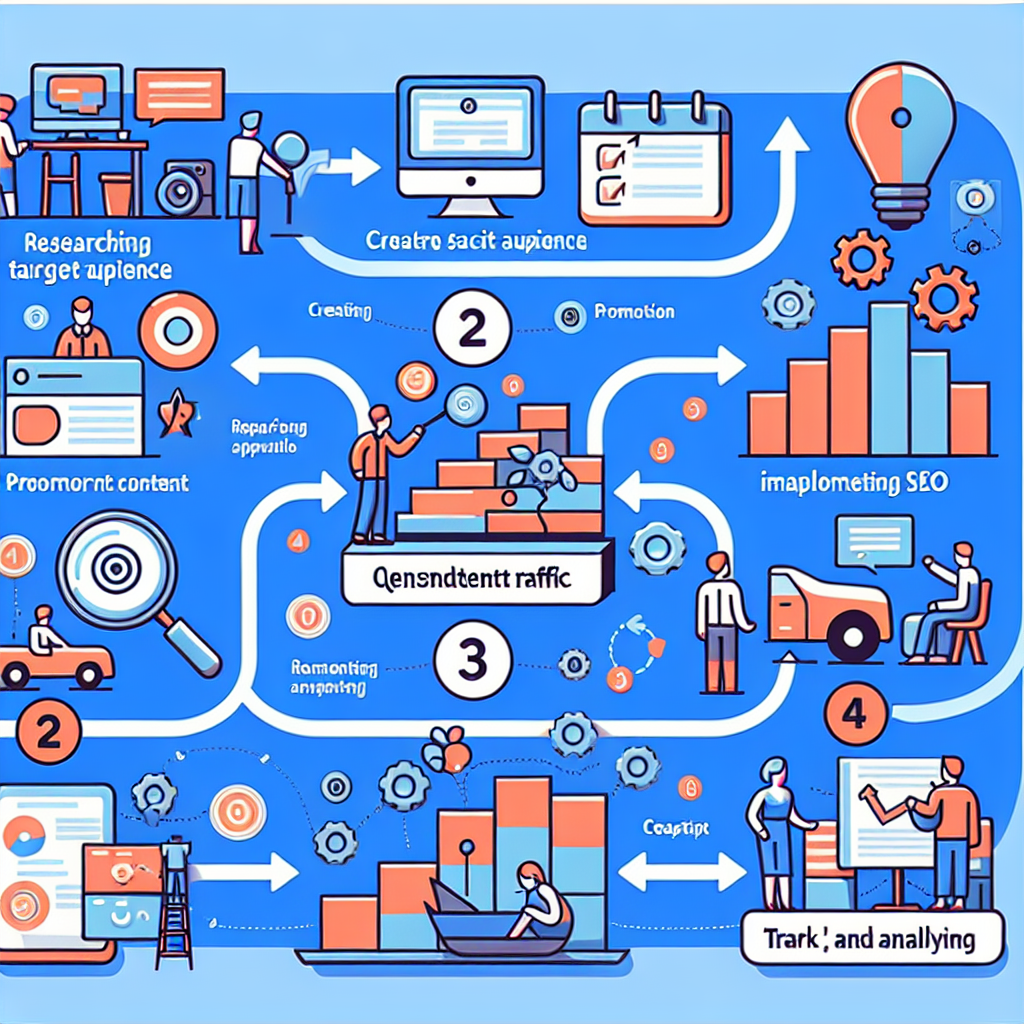
Hey there! Let’s talk about something near and dear to my heart—generating consistent traffic to your website. I’ve spent years fine-tuning my strategies and learning what really works. So, whether you’re just starting out or looking to revamp your approach, I’m here to share five key areas that can help you build a solid traffic strategy.
Understanding Your Audience
Why Knowing Your Audience Matters
First off, it’s super important to understand who your audience is. I mean, if you’re talking to a crowd that’s not interested in your message, what’s the point? Take the time to research their interests, needs, and pain points. Not only does this help in crafting your content, but it also positions you as someone who “gets” them.
When I started focusing on my audience, everything changed. I could tailor my content to speak directly to their concerns. And guess what? They responded! It’s like turning on a light bulb. Suddenly, you’re no longer just shouting into the void.
Use tools like surveys or social media engagement to gather insights. This can lead to actionable data that helps you create content your audience craves. Trust me, it makes all the difference.
Creating Buyer Personas
Once you’ve identified your audience, creating buyer personas is next level stuff. This involves putting specific traits and behaviors to your ideal customer. By giving your audience a name, background, and even challenges, you’re essentially humanizing your strategy.
When I drafted my first few personas, I noticed a change in my content creation process. Instead of generic articles, I wrote pieces that felt personal and more relatable. That connection is gold in today’s market!
To create effective personas, analyze demographic data and conduct interviews. This will allow you to fill in the gaps, ensuring your personas truly reflect the people you want to attract. It’s a game-changer.
Market Research Techniques
Now, market research techniques can take many forms. My go-to methods are competitive analysis and keyword research. Knowing what’s out there helps me not only identify gaps in the market but also understand what’s resonating with potential visitors.
If a competitor is ranking high on specific keywords, it might be worth analyzing their content strategy. See what topics they’re covering and how you might add your flair or go deeper into the subject matter.
Also, don’t underestimate social listening tools. They can provide fantastic insights into what your potential audience cares about right now. By keeping your ear to the ground, you can adapt quickly and stay relevant.
Creating Valuable Content
Content Quality Over Quantity
When it comes to content, I can’t stress enough the importance of quality over quantity. Sure, pumping out blog posts can feel productive, but if it’s just fluff, it’s not gonna do much good.
Investing time in crafting high-quality, valuable content will keep your audience coming back for more. I like to think of it like building a relationship. You don’t just want fast friends; you want true connections.
Take your time to ensure your content is informative, engaging, and serves a purpose. It’s easy to get caught up in SEO and keywords, but at the end of the day, people read content for value—not just because it’s stuffed with keywords.
Content Variety
Another lesson I’ve learned is the power of variety. Blog posts, videos, infographics, podcasts—mixing it up keeps things fresh and engages different types of learners. If your audience prefers watching over reading, they’re going to appreciate your efforts.
Try experimenting with different formats to know what resonates best. I regularly switch up my content type and analyze what works. It’s fascinating to see how many more people engage with a simple infographic compared to a lengthy blog post sometimes.
Don’t be shy about reusing content across formats. For example, a popular YouTube video can be transformed into a podcast or a blog post. This way, you maximize your content’s reach and cater to various audience preferences.
Encouraging User-Generated Content
User-generated content (UGC) can be a major traffic booster. Encouraging your audience to create and share content about your brand can significantly increase your reach and build a sense of community.
I’ve run several campaigns inviting followers to share their experiences, and the response has been overwhelmingly positive. Not only do you get fresh content, but you also cultivate loyalty amongst your audience.
Consider using social media challenges or contests as ways to gather UGC. My followers love the excitement, and I get authentic content to share, which speaks volumes to potential new visitors.
Leveraging Social Media
Choosing the Right Platforms
Social media is where the conversation is happening. But let’s be real, not every platform works for every brand. Over the years, I’ve learned to pick the platforms that align with my target audience. Taking the time to research where they hang out is crucial.
For instance, platforms like Instagram are great for brands with visually appealing products. On the other hand, LinkedIn is ideal for B2B interactions. I spend time figuring out which places work best for my messaging and focus my efforts there instead of spreading myself too thin. Quality engagement is definitely the name of the game!
Stay agile! Platforms change and trends evolve. Giving yourself permission to pivot allows you to maximize your presence and connect with your audience effectively.

Creating Engaging Content for Social Media
Once you’ve chosen your platforms, creating engaging content is the next step. I don’t simply repost my blog links; I craft unique content tailored for each social network. Social media users crave fresh, native content that they don’t have to leave their feed to view.
Combining visuals and clear calls to action makes a significant difference. Video stories or interactive polls on Instagram have become personal favorites since they drive up engagement and conversation!
Be consistent with your posting schedule while also allowing for spontaneity. I love hopping on trends or themed days—it feels like a conversation rather than a sales pitch. Keeping it authentic goes a long way!
Engaging with Your Community
Engagement isn’t just about collecting followers; it’s about building a community. Engaging with your audience on social media creates a sense of belonging, and it helps foster loyalty. I always make it a priority to respond to comments and messages because it makes people feel valued.
Try hosting Q&A sessions or AMAs (Ask Me Anything) to invite dialogue. My followers really enjoy connecting with me directly, and it gives them a chance to voice their opinions and get answers they’re seeking.
Lastly, don’t be afraid to show some personality! Sharing behind-the-scenes content or stories helps bridge the gap. Authenticity resonates much more than a polished façade ever could.
Analyzing and Adapting Strategies
Understanding Analytics
Once you’ve executed your strategies, it’s time to take a look at the numbers. I can’t emphasize enough how important it is to dive into analytics. Platforms like Google Analytics provide a wealth of information on how your website is performing and which sources are driving traffic.
Understanding where your traffic comes from—be it social media, referrals, or search engines—can guide your future efforts. If something is working, do more of it! If it’s not, it might be time to reassess.
Take the time each month to study your analytics. You don’t need to be a data whiz, but understanding the basics can inform your decisions and keep you on track.
Testing and Iterating
Part of understanding your analytics also means being willing to test different strategies. A/B testing can be invaluable. I often run small tests on email subjects, call-to-action buttons, or even different layouts on my website to see what variables produce better engagement.
This trial-and-error approach can feel daunting, but it’s such a valuable tool for growth. Learn from what your audience responds to, and don’t shy away from making changes based on your findings.
Iteration is a part of this process, so keep your expectations flexible. The digital landscape evolves, and your strategies need to, too!
Feedback Loop
Finally, it’s essential to create a feedback loop. Actively seeking input from your audience can provide a fresh perspective on what resonates. Consider using polls or surveys for direct engagement.
Recently, I reached out to my audience asking what types of content they found most helpful. Their responses shocked me! I discovered several untapped areas that I hadn’t considered, and the ideas have shaped my content strategy significantly moving forward.
Encouraging feedback ensures your audience feels involved and appreciated. It strengthens your relationship and keeps your content aligned with what they truly want.
Conclusion
Generating consistent traffic to your website doesn’t have to be rocket science. By understanding your audience, creating valuable content, leveraging social media, and analyzing your efforts, you can drive traffic sustainably. Remember, this is a journey, and with every step, you’re learning and improving. Happy traffic generating!
FAQ
1. How can I determine who my target audience is?
Start by researching your current customers and analyzing their demographics. Use surveys, social media insights, and forums related to your niche. Creating buyer personas can help solidify your understanding of who to target.
2. What type of content should I focus on creating?
Focus on high-quality content that delivers value to your audience. Experiment with different formats like blog posts, videos, infographics, and podcasts to see what your audience engages with most.
3. How often should I post on social media?
While there’s no one-size-fits-all answer, consistency is crucial. Establish a posting schedule that you can realistically maintain. Quality content is more effective than frequent low-quality posts.
4. What are some effective tools to analyze website traffic?
Google Analytics is the gold standard for analyzing website performance. Other tools like SEMrush or Moz can provide valuable insights when researching traffic sources and keywords.
5. How can I encourage user-generated content?
Create campaigns, contests, or social media challenges that invite your audience to create content related to your brand. Highlight and share their contributions to foster a sense of community and loyalty.

